
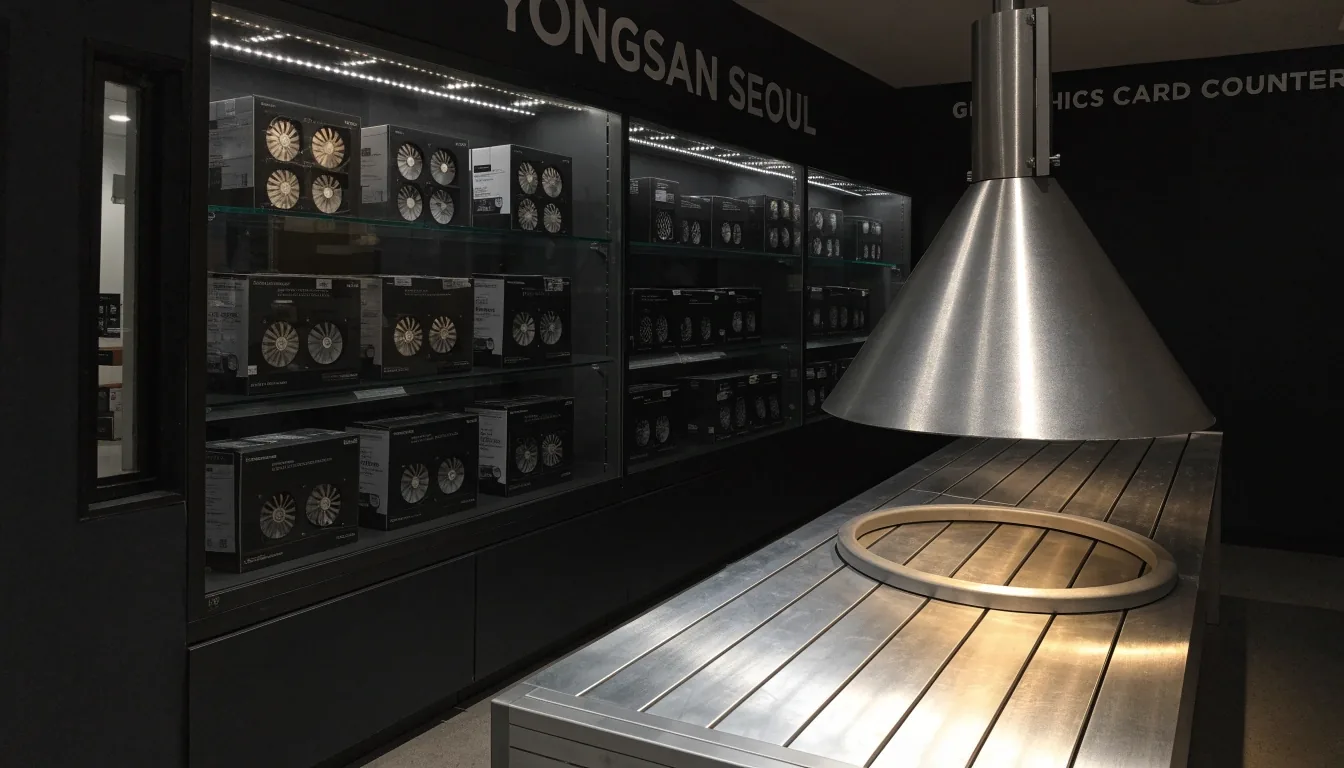
Graphics cards in Seoul, matched to your build
Custom-cooler boards from ASUS, Gigabyte and Sapphire, with Korean street-price context and fit checks before you commit.
What we actually sell
Our shelf is built around AIB models, not reference-style boards. That means a Gigabyte Radeon RX 9070 XT Gaming OC, an ASUS Prime Radeon RX 9070 XT OC Edition, a Sapphire PULSE Radeon RX 9070 XT 16G, or an ASUS TUF Gaming GeForce RTX 5090 — each with its own cooler, power layout and physical size. We carry 16GB GDDR6 Radeon boards and RTX 50-series GeForce cards, and we keep the older RTX 40 generation visible for buyers who compare generations instead of chasing the newest chip.
Every listing states the memory configuration and connector layout, because those two details decide whether a card fits your case and power supply.
See 16GB GDDR6 Radeon boards in stock- Gigabyte Gaming OC 9070 XT
- ASUS Prime OC Edition 9070 XT
- Sapphire PULSE 16G
- ASUS TUF Gaming RTX 5090
- GeForce RTX 50 series 5070 Ti
Picking a card for 1440p gaming
For most Seoul gamers at 1440p the realistic band runs from an RTX 5060 Ti up to an RTX 5070 Ti. The RTX 5070 Ti sits in the upper-midrange slot on the RTX 50 platform, and Korean price-tracking coverage has flagged it among cards touched by 2026 price increases.
If your monitor is 1440p and you want headroom without flagship spending, that is the tier to study first. Step up to a 5090 only when 4K at high settings is the actual goal, because the premium AIB versions of that card are physically large and priced accordingly.
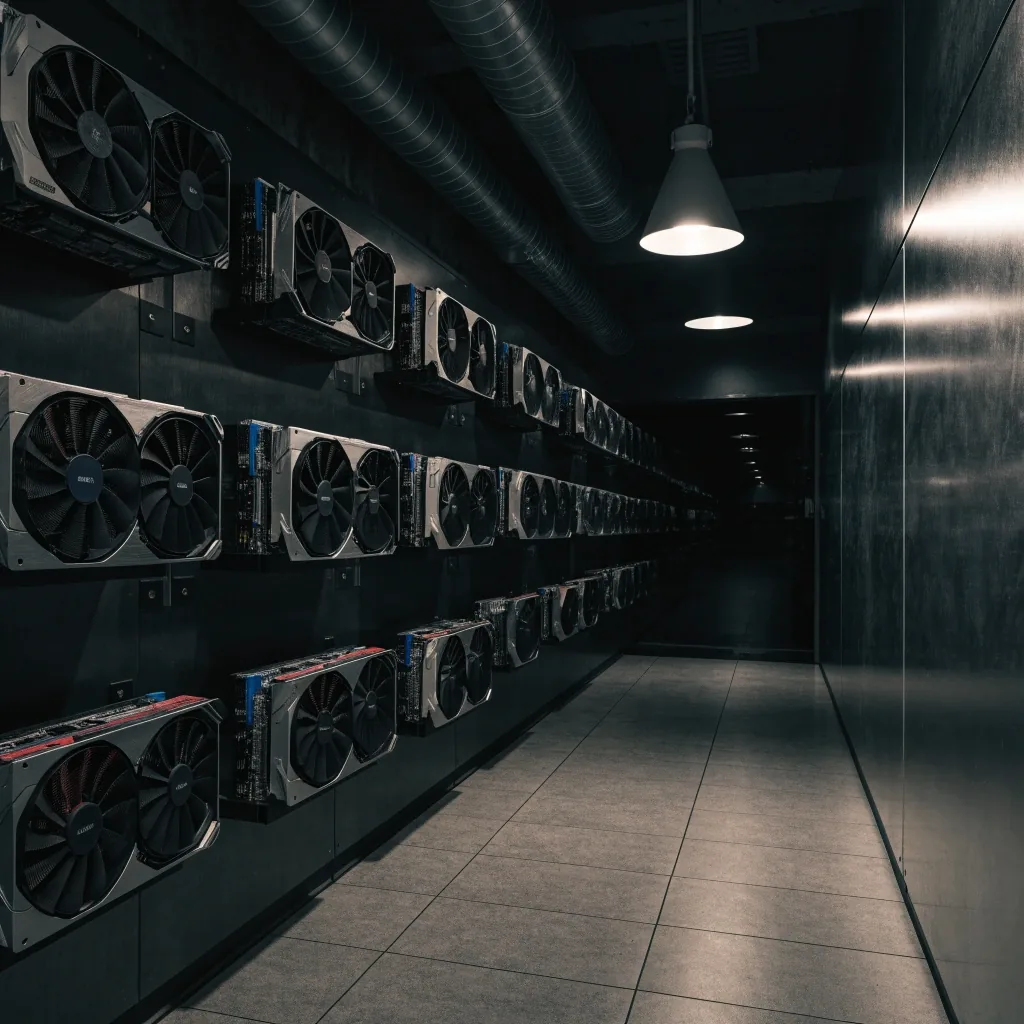
Board length and cooler thickness decide the fit long before the chip name does. We lay two candidates on the same plate so you can read the difference in millimetres, not marketing copy.
RTX 5060 Ti
8GB or 16GB variants. Pick the 16GB unless the price gap is severe.
RTX 5070 Ti
Upper-midrange on the RTX 50 platform, the tier most 1440p buyers study first.
RTX 5090 AIB
Longer, thicker, hungrier. Budget case space and PSU watts before the card.
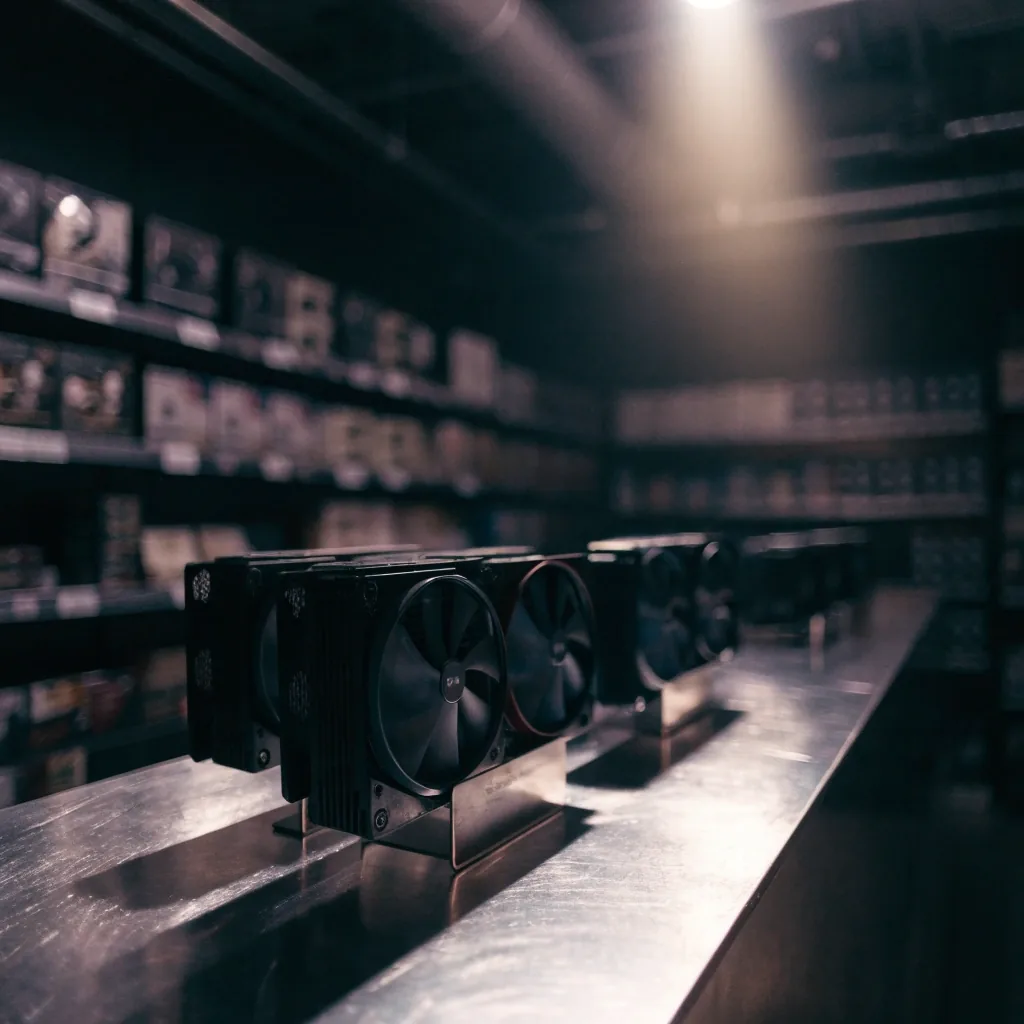
Cooler families are not marketing noise. Two cards with the same chip differ in noise, board thickness and slot count, and that shows up as fan behaviour under load and as millimetres against your case panel.
Radeon options that compete
AMD's RX 9070 XT has become the practical counterweight in Korea. Three custom boards show up again and again in local listings, and all three use 16GB GDDR6 — so VRAM capacity is not the differentiator. Cooler design, board length and power connectors are.
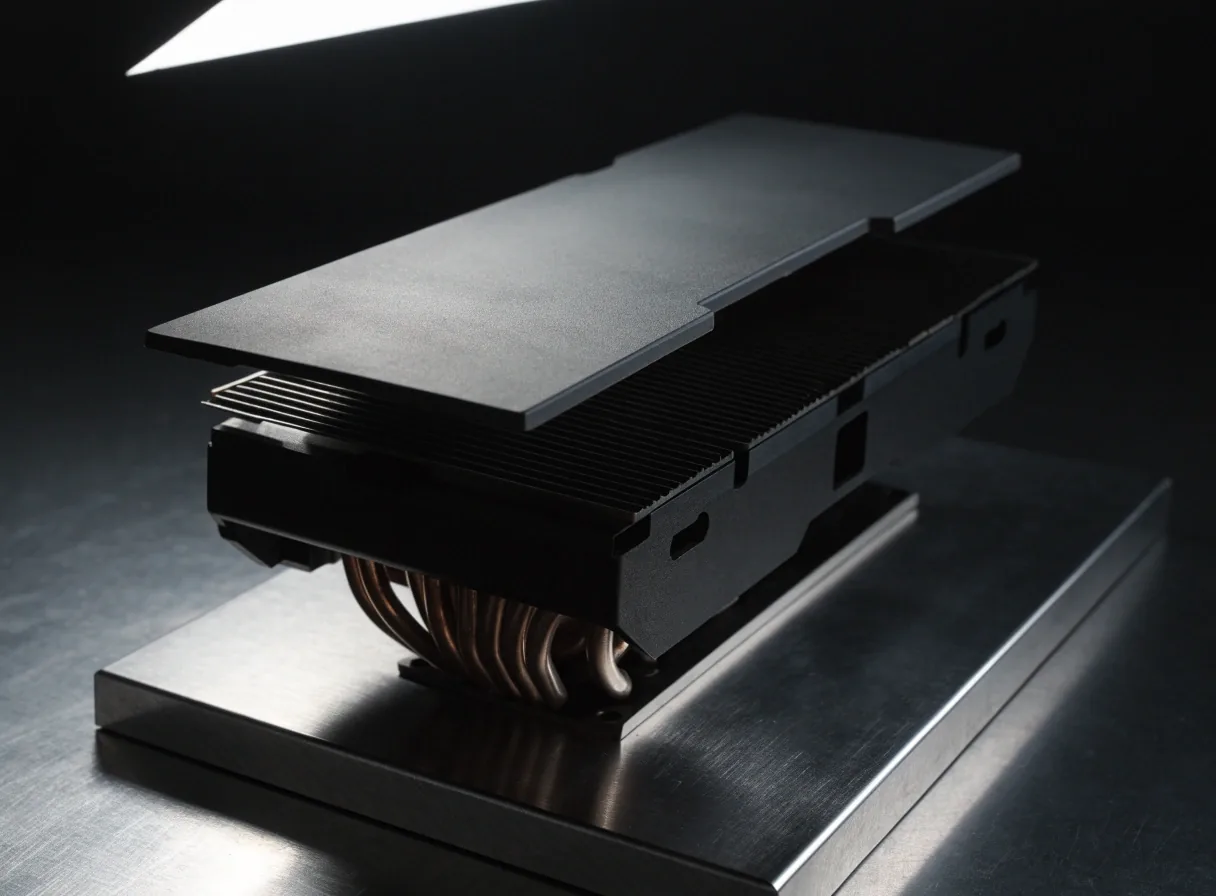
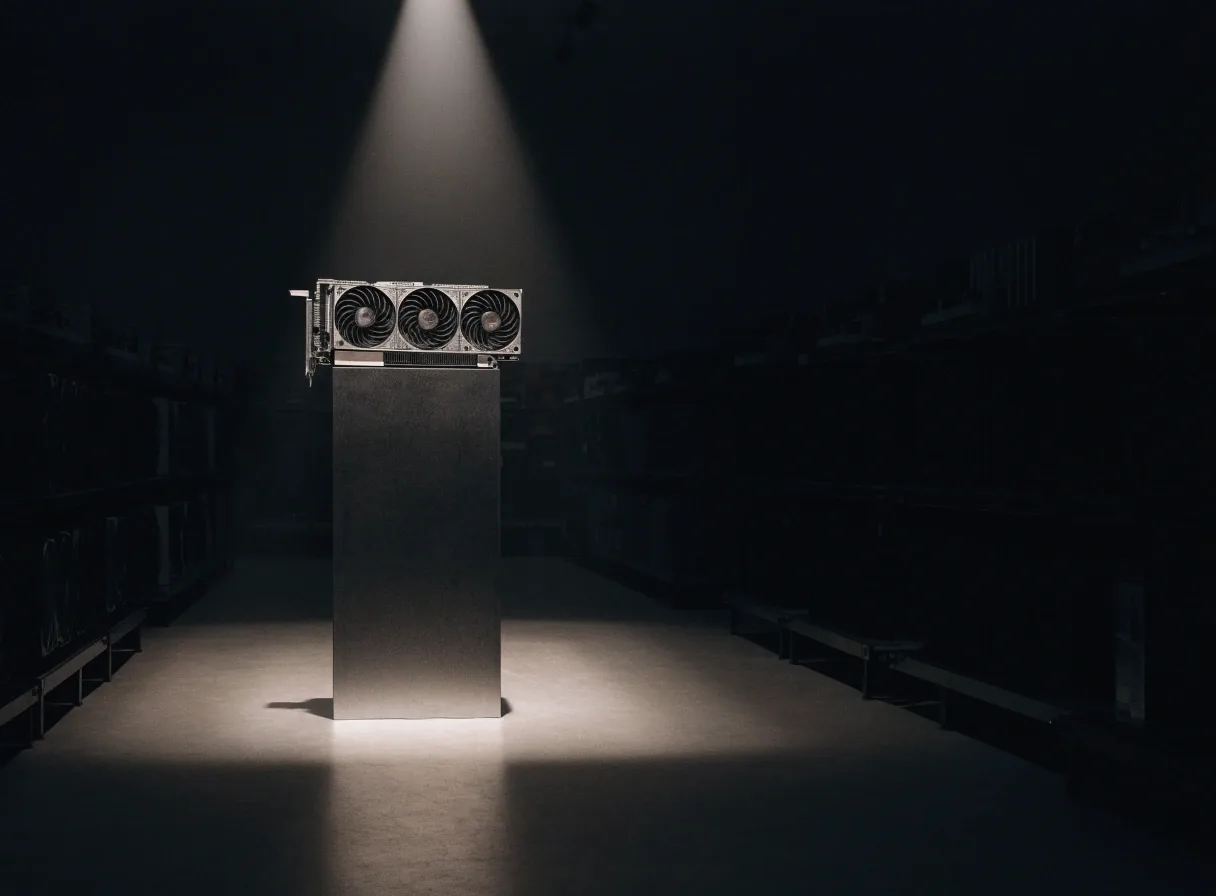
Gigabyte Gaming OC
ASUS Prime OC Edition
Sapphire PULSE 16G
Comparing three boards across the same GPU chip is exactly what Korean price-comparison shopping is good at, so we keep all three in the same conversation on purpose. Sapphire's PULSE page, for example, shows a 2 x 8-pin layout, which matters if your PSU cable count is tight.
Reading Korean street prices before you buy
Launch price and Seoul street price are different numbers. Imported inventory, distributor markup and memory-cost pressure move Korean listings quickly, and the gap between one AIB model and another of the same chip can widen within a week.
RTX 5070 Ti AIB
Flagged in 2026 increases
RTX 5060 Ti 16GB
Steadier week to week
RX 9070 XT AIB
Drift usually follows stock
RTX 5090 AIB
Launch wave sold out fast
RTX 4080 SUPER (previous gen)
Thinning replacement stock
Price-comparison platforms such as Danawa are widely used in Korean GPU reporting and list live retail prices for both Radeon and GeForce cards, which makes them a useful reference for spotting a spike rather than a normal weekly shift. Check the trend, not a single number. If one board jumps while its siblings hold, that is usually stock, not a permanent price change.
New generation versus last-generation flagship
An RTX 4080 SUPER is still a high-end 4K card, and it often appears in the same buyer decisions as RTX 50 models. When new cards run above comfortable pricing in Korea, a discounted previous-generation flagship can be the smarter pick for raw 4K performance.
The trade-off is straightforward. You give up the newer platform and whatever efficiency it brings, and you take on the risk that replacement stock is thinning. For 1440p players a current midrange card usually makes more sense than an old flagship. For 4K players watching a 5080 or 5090 price, the 4080 SUPER comparison is worth doing honestly.
8GB or 16GB VRAM in 2026
The RTX 5060 Ti comes in 8GB and 16GB variants, and both are discussed in Korean market coverage. That single choice changes how long the card feels comfortable. At 1080p, 8GB is workable. At 1440p with high textures, 16GB removes a recurring worry, and the 16GB version also tends to hold value better if you resell in Korea. Our advice is unglamorous: buy the 16GB variant unless the price gap is severe, because VRAM is the one spec you cannot upgrade later.
Workable at 1080p; a recurring limitation at 1440p with high textures.
Holds up at 1440p and resells better in Korea. The safer shelf life.
Fit first. Price second. Nothing else decides the card.
First GPU purchase: what to check in order
Start with your resolution, because it decides the tier. Then confirm case clearance in millimetres against the AIB model you want, not the chip name. Then check power connectors and PSU wattage, especially on 2 x 8-pin Radeon boards. Then check VRAM capacity. Only after those four steps does price comparison make sense.
Skipping ahead to the cheapest listing usually ends with a card that does not fit or a PSU that cannot feed it.
- Resolution — decides the tier you are shopping in Step 1
- Case clearance — measure the AIB model, not the chip Step 2
- Power — connector count and PSU wattage together Step 3
- VRAM — the one spec you cannot upgrade later Step 4
- Price — compare live listings only after the four above Step 5
In-store checks at Yongsan
We are in Yongsan-gu, and buyers who visit can compare board length and cooler thickness side by side before deciding. Bring your case model or its clearance figure, and your PSU wattage and connector count. If you are upgrading an existing machine, note your CPU, because a midrange GPU behind an old CPU can leave performance on the table. For remote buyers in Korea, the same details in a message get you a straight answer about fit.
Ask about case clearance for a 5090 AIBCustom coolers, and why RTX 50-series costs more here
What you are really paying for in a custom cooler
Two cards with the same chip can differ in noise, thickness and slot count. ASUS's Prime family is positioned as a cleaner, mainstream-looking board design; TUF Gaming leans toward sturdier hardware and cooling; Sapphire's PULSE is a mainstream Radeon line; Gigabyte's Gaming OC is its own custom cooler series. None of that is marketing noise — it shows up as fan behaviour under load and as millimetres against your case panel. If quiet operation matters, compare cooler families before chip tiers.
Why RTX 50-series cards cost more in Korea
Korean buyers ask this constantly, and the honest answer has several parts. Supply of new cards has been tight, with the Korean launch wave for high-end boards selling out fast. Imported inventory and distributor markups add to the base cost. Memory pricing pressure feeds into board pricing across the stack. Import duties and logistics are part of the landed number too. The result is that a global launch price rarely survives contact with a Seoul listing, especially on flagship AIB models.
Flagship AIB boards and why they get bigger
The ASUS TUF Gaming GeForce RTX 5090 is a useful example of where high-end custom boards go. It launched in Korea alongside ASUS's RTX 50-series rollout, it is a custom RTX 5090 rather than a reference-only design, and it belongs to a family that emphasises sturdier hardware and cooling. At flagship level that means a longer, thicker card that asks more of your case and your PSU. Budget the space and the power before you budget the card.
Questions we answer most often
Short answers below. If your situation is specific — an odd case, an older CPU, a tight PSU — message or call with the details and we will tell you straight.
Which GPU gives the best value in South Korea right now for 1440p gaming?
For most 1440p builds the upper-midrange tier is where value sits: RTX 5070 Ti on the GeForce side, RX 9070 XT on the Radeon side. Below that, an RTX 5060 Ti 16GB covers 1080p and lighter 1440p. Value depends on this week's Korean street price, so compare live listings before committing.
Why are RTX 50-series cards so much more expensive in Korea than the global launch price?
Tight launch supply, imported inventory, distributor markup, memory-cost pressure and logistics all land in the Korean price. High-end boards sold out quickly at launch. The global launch figure is a reference point, not the price you will see in Seoul.
Is it smarter to buy a last-generation flagship or a current midrange card?
At 4K, a discounted RTX 4080 SUPER can beat a current midrange card on raw performance. At 1440p, a current card in the RTX 5070 Ti or RX 9070 XT tier usually makes more sense. Match the card to your resolution first, then compare price.
Which AMD Radeon cards are competitive with the RTX 5070 Ti and RTX 5080 in Korea?
The RX 9070 XT is the direct comparison, and three AIB boards appear often in Korean listings: Gigabyte Gaming OC, ASUS Prime OC Edition and Sapphire PULSE 16G. All three use 16GB GDDR6, so pick between them on cooler, size and connectors.
Do custom AIB models from ASUS, Gigabyte or Sapphire cool better than reference-style cards?
Custom coolers generally give you more heatsink and fan surface than a reference design, which can mean quieter operation under load. The practical difference between AIB families shows up in board thickness, slot count and fan behaviour rather than in a single number.
How much should Korean buyers worry about 8GB versus 16GB VRAM in 2026?
It matters more as you move up in resolution. At 1080p, 8GB is workable. At 1440p with high textures, 16GB removes a recurring limitation and tends to resell better in Korea. If the price gap is not severe, take the 16GB variant.
Ordering, payment and pickup
We keep payment methods concrete: bank transfer against an invoice, cash on delivery, and card payment in person at pickup. There is no online card checkout to worry about, and no stored card data on our side. Orders are confirmed by message or phone using the contact details below.
45, Cheongpa-ro, Yongsan-gu, Seoul, 04376, Republic of Korea
+82-2-701-4492
Mon–Fri 09:00–18:00
We are a retail counter for discrete graphics cards, not a marketplace listing third-party sellers. What you see here is what we can put on the bench in Yongsan-gu.